








Streamline Admissions, Finance Administrative and
Employee
Management—All in One System

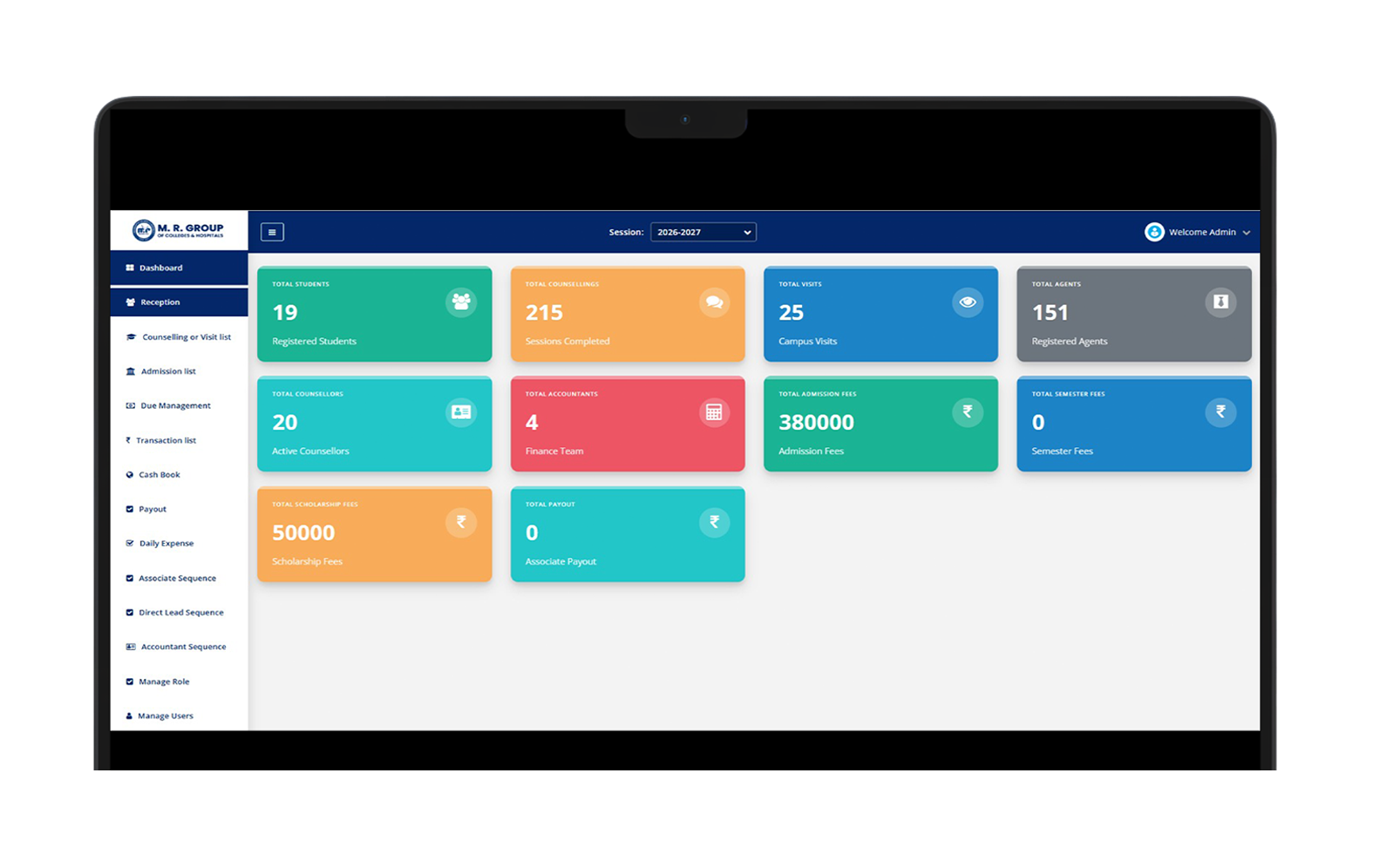

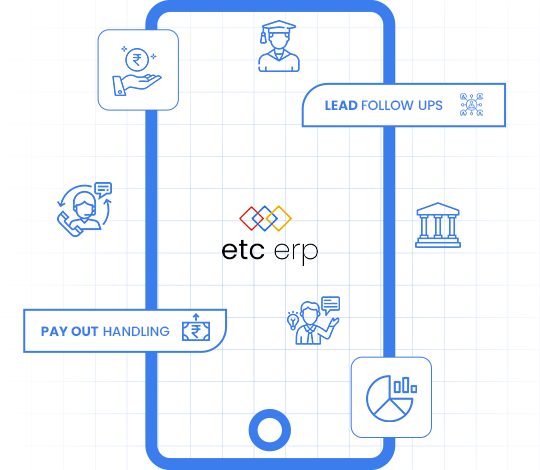
ETC University ERP system brings every department together on a single, intelligent digital platform. It seamlessly manages admissions, academics, leads, cashbook, due management, reception desk operations, HR, statutory compliance and more. For employees, the system simplifies attendance tracking, task management, leave approvals, etc, ensuring smooth coordination across the entire institution.
Built with flexibility and scalability in mind, the University Management System includes multiple advanced modules covering academic, administrative and operational needs, designed to adapt to university workflows and can be customized as per institutional needs.
The platform can be installed in the data centre of the university or be hosted on a cloud platform, where full control over the data and performance is available. Using real-time insights, automated workflow and paperless operations, our ERP management software eliminates operational chaos and enables faster, smarter decision-making.
University Management Gaps
Universities handle thousands of daily academic and administrative activities. When these processes run on disconnected tools, registers and spreadsheets, inefficiency becomes inevitable. Data gaps, manual work and delayed communication affect students, faculty and administrators alike.
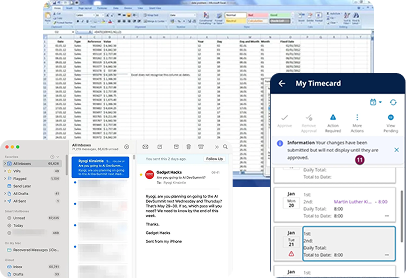




Admissions, academics, finance, HR and front-desk operations function in silos, making coordination slow and error-prone.
Attendance, leave approvals, fee tracking and reporting rely on manual processes that consume time and increase inaccuracies.
University leadership struggles to access real-time insights on admissions progress, dues status, staff availability, or compliance readiness.
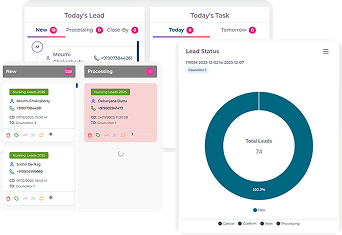

All core functions like admissions, academics, cashbook, dues, reception desk and employee operations are connected through a single intelligent system.
From employee attendance and leave management to task assignments and fee tracking, workflows are automated to reduce delays and administrative burden.
Live dashboards and reports provide complete operational visibility, enabling faster decision-making and improved institutional control.
Complete ERP system that will streamline academic management, automate administration and enhance institutional efficiency with one dashboard. Book a free demonstration to experience hassle-free academic and administrative management.
Everything Your Institution Needs in One System

Centralized admission module to manage counsellors, associates, accountants, fees, payouts and dues with complete transparency and real-time tracking.

Digitally records daily cash inflow and outflow with clear entries, balances and reports for complete financial transparency.

Controls institutional expenses by recording, categorizing, approving and analyzing spending to maintain financial discipline.

Manages front-desk operations, including visitor entries, inquiry tracking, call logs and lead forwarding efficiently.

Automates lead handling sequences for associates, accountants and direct leads to maintain structured follow-ups and workflows.

Tracks staff attendance digitally with accurate records, reports and compliance support for better workforce management.

Monitors and evaluates staff performance through structured metrics, feedback, and reports to improve productivity and support professional growth.
ETC University Management ERP Software is designed to support universities with a reliable, flexible and scalable digital system. It adapts to institutional needs, ensures data accuracy and security, and provides real-time visibility.
ETC ERP is more than a software solution supported by a good implementation guide and flexible deployment models. It creates a strong digital architecture, which assists universities to gain clarity in their operations, maintain process transparency and remain prepared in the future of academic and administrative development.

Designed to align with institutional workflows, ensuring relevance, adaptability and smooth adoption.

A single, robust platform that grows with institutional needs without disrupting existing systems.
 ️
️
Streamlines processes and offers precise real-time information to support improved decision-making.

Developed with high data security, compliance and stability of the system over time.


Our ERP also has secure role-based access by the administrators, faculty, students and management in your university with dedicated dashboard which guarantees the privacy of data, accountability and effective inter-departmental cooperation.

The interface of ETC ERP platform is clean and intuitively designed and needs minimal training. The end users find it easy to navigate academic, administrative and financial modules, enhancing adoption and daily operational efficiencies.

The cloud-enabled system enables the stakeholders to access the system at any place, any device. On campus and off, users are kept informed in real time on academic records, reports and updates of the institution.

THE ETC ERP system is flexible to the individual structure and policies of a university. The modules can be enabled or extended depending on the needs of the institution to enable alignment with the academic processes and the administrative processes.

High-level reporting tools are used to turn raw data into valuable information. Real-time dashboards enable the leaders of universities to track admissions, attendance, finances and performance metrics to make informed decisions.

The site facilitates digital planning of examinations, assessment and processing of results. The ERP ensures accuracy, transparency, and effective academic evaluations through the scheduling of exams and the publishing of results.
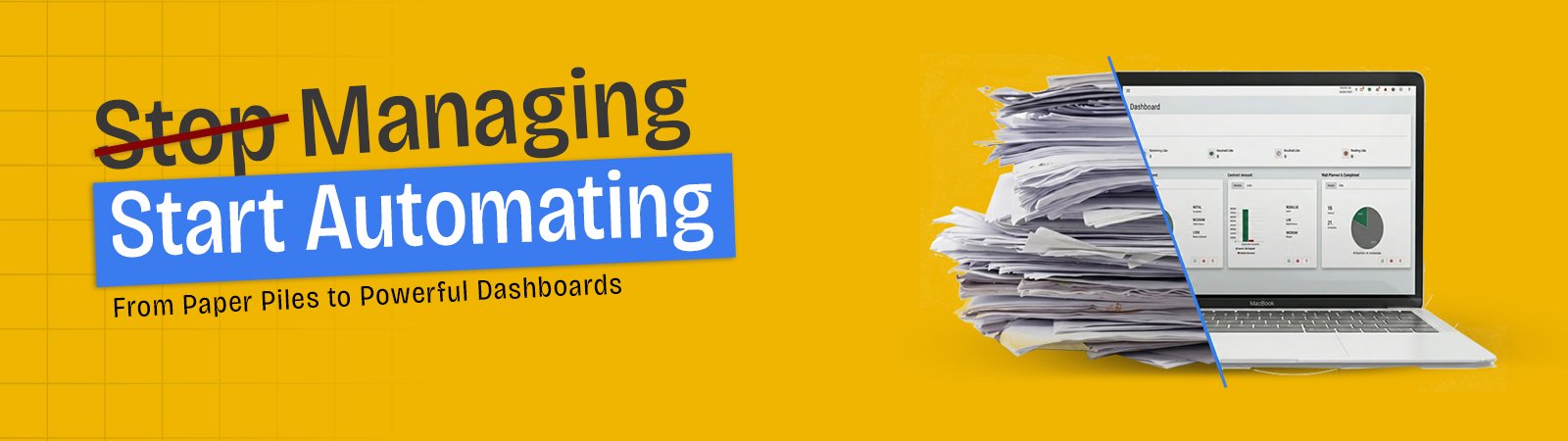
Built for Efficiency. Designed for Growth
Replace multiple systems and spreadsheets with one centralized ERP designed for universities to replace fragmented systems with a connected digital environment. Information stays structured, accessible, and synchronized across departments, ensuring consistency and accuracy.


From Enquiry to Enrollment
Process all the student inquiries in a single channel of management. The platform allows institutions to monitor lead status in real-time, follow-ups and progress, which enables institutions to respond quicker and engage in a well-organized communication throughout the enrolment process.
Intuitive dashboards and reports give a clear, real-time picture of the institutional performance, progress and status, enhancing quicker and more assured informed decision making, which contributes to transparency, efficiency and institutional growth.


Incorporated automation makes the routine processes easier and makes sure that the work is performed on time due to the system-based workflows and notifications. This minimizes the use of manual labour, minimises errors, quicker turnaround and efficiency, consistency, and accuracy.
It renders operations cost-effective through standardization of processes and the generation of uniformity within the institution. The workflows are predictable and delay, repetition andinefficiencies that add costs silently are minimized In the long-run.

University ERP software is a digital platform that is used to simplify administrative and academic tasks of educational establishments. It combines the functions such as admissions, attendance, examinations, finance, library management and human resources into one platform. It enhances efficiency because it automates routine processes, minimizes manual errors and offers real time insights, allowing institutions to make decisions based on data.
Colleges have complicated operations, such as student record management, payroll and examination results. ERP management software brings these tasks together, decreases the administrative load and makes the data handling accurate. It saves time, streamlines resources and improves the overall experience of both staff and students with such features as automated reporting and flow of information across the different departments.
The contemporary institutional ERP programs encompass student admissions, attendance tracking, fee management, exam scheduling, human resources, library management and reporting dashboards. Mobile accessibility, cloud integration, and AI-driven analytics are also available on our platforms.
Repetitive administrative functions are automated by our ERP software, which removes paperwork and manual errors. It automates operations such as registering students, collecting fees and staff management and offers a centralized dashboard that allows one to monitor operations. This enhances transparency, quick decision making and enables the administrators to concentrate more on strategic planning and less on routine.
The Cloud-based ERP systems offered by ETC are flexible, scaled and could be accessed remotely. They eliminate the costly on-premise infrastructure and ease software updates. Cloud ERP provides secure storage and real time access and disaster recovery services, enabling staff, faculty and students to access vital information at any time and anywhere to boost productivity and cooperation.
University ERP systems are structured in such a way that they have two or more levels of security, such as the storage of data in encrypted form, the use of secure protocols for logging in and role based access controls. This provides security to delicate information such as student records, financial reports and test scores. Frequent updates of the software, a safe backup, and adherence to data privacy laws also contribute to the increased safety of institutional data.
Our ERP software will automate the fee collection process, create invoices and track payments in real-time. It gives a variety of ways of payment, reminds of outstanding payments, and minimizes the chances of human error in financial accounts. Administrators are also able to come up with detailed financial reports with ease, track outstanding dues and maintain transparency in the financial operations of the institution.
Yes, ERP systems of ETC are normally created to be combined with various other applications such as learning management systems (LMS), library software, accounting tools and internet payment gateways. The interoperability will guarantee the smooth flow of data among various systems, which will make the work more productive, minimize manual labour, and provide students, faculty, and administrative staff with a single digital ecosystem.
The time taken for the implementation process is different depending on the size of the institution and the number of modules needed. On average, the implementation of ERP can be carried out within 2-3 months in a small college and 4-6 months or longer in large universities. A well thought planning, training and data migration strategies are essential in ensuring a smooth transition whereby the software will be able to support the needs of the institution without interfering with the current operations.
The process of selecting an appropriate ERP software takes into consideration aspects like scalability, ease of use, cost-effectiveness, accessibility to clouds, security features and support. Software that can expand in tandem with the needs of the institutions should be considered by the institutions, and those that can be integrated with the existing tools and provide complete modules in academic, administrative and financial management. Demos, reviews by customers and the reliability of the vendor are also important considerations in making an informed decision.
The time taken for the implementation process is different depending on the size of the institution and the number of modules needed. On average, the implementation of ERP can be carried out within 2-3 months in a small college and 4-6 months or longer in large universities. A well thought planning, training and data migration strategies are essential in ensuring a smooth transition whereby the software will be able to support the needs of the institution without interfering with the current operations.
The process of selecting an appropriate ERP software takes into consideration aspects like scalability, ease of use, cost-effectiveness, accessibility to clouds, security features and support. Software that can expand in tandem with the needs of the institutions should be considered by the institutions, and those that can be integrated with the existing tools and provide complete modules in academic, administrative and financial management. Demos, reviews by customers and the reliability of the vendor are also important considerations in making an informed decision.
ERP software automates all the administrative and academic procedures under a single platform, minimizing on the manual work and errors. It also enhances communication, offers real-time reporting, offers students self-service portals, and secures data. It, in totality, saves time, reduces costs and makes the institution more efficient and organized.
Yes, ERP modules can be completely adjusted. The institutions are able to select and select features such as admissions, attendance, finance, or library management to fit their unique workflows. The flexibility will also make the ERP expand alongside the institution and facilitate the efficient operations of staff and students.
See how etc ERP brings your business vision to life. Designed to evolve with your operations today and tomorrow.
Request a demo
